Several years ago, I started to notice that my body and mind began acting in new and not-so-exciting ways. Night sweats. Disrupted sleep. Changes in metabolism. Shifting body composition. Unspecified anxiety. Shifts in energy levels. Extended recovery time. Then, the vicious hot flashes began. And, it became clear to me what was happening: Perimenopause.
For those living in male bodies, you may notice some of the above symptoms as well, as many of those are not specific to menopause, and can also be experienced in what is known as andropause, lowering testosterone levels.
Our bodies are marvels of complexity and elegance, with systems seamlessly working together to keep us moving, breathing, and thriving. At the heart of this intricate dance are our hormones, the body’s chemical messengers, ensuring everything works together as it should. For endurance athletes, understanding and optimizing hormone function is key to peak performance.
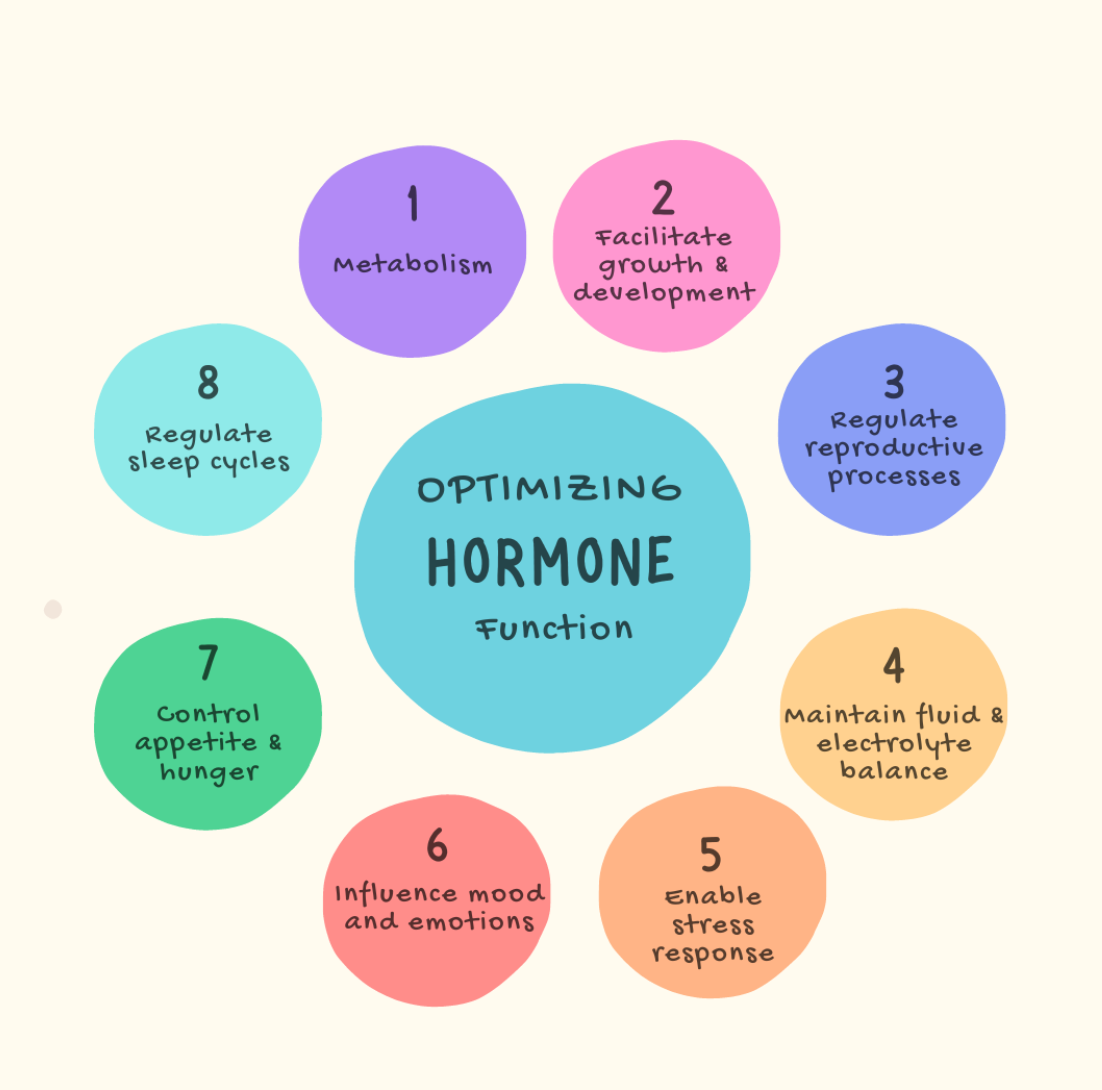
And, our hormones have a lot of work to do, consider the list of systems they help to coordinate, most of which help ensure our athletic success:
- Metabolism – Hormones like insulin, glucagon, and thyroid hormones help to control and regulate metabolism.
- Facilitate growth and development – Growth hormone, sex hormones (estrogen, testosterone), and others are crucial for proper growth, sexual development, and maturation during different life stages.
- Regulate reproductive processes – Sex hormones like estrogen, progesterone, and testosterone regulate the menstrual cycle, fertility, and reproductive functions in both males and females.
- Maintain fluid and electrolyte balance – Hormones such as aldosterone, antidiuretic hormone (ADH), and parathyroid hormone help regulate fluid levels, electrolyte balance, and blood pressure.
- Enable stress response – Hormones like cortisol and adrenaline (epinephrine) are released during stress to increase heart rate, blood pressure, and energy levels to help the body cope.
- Influence mood and emotions – Hormones like serotonin, dopamine, and endorphins play a role in regulating mood, emotions, and feelings of well-being.
- Control appetite and hunger – Hormones like leptin, ghrelin, and insulin influence appetite, hunger cues, and feelings of satiety.
- Regulate sleep cycles – Melatonin helps regulate sleep-wake cycles and circadian rhythms.
As endurance athletes, the work that hormones do is central to our health, well-being and performance. As we age, our hormones change with us. In particular, estrogen and testosterone decline as we age, and can create some significant changes for athletes. Let’s talk about each of these in turn.
Estrogen
Estrogen coordinates many systems, particularly in the female body. However, estrogen is a part of all healthy, functioning bodies – not just female bodies.
Not all of estrogen’s functions impact us as athletes, but here’s a list of some of the functions most germane to us as athletes:
- Increases HDL (good) cholesterol levels
- Promotes blood clotting
- Maintains bone density and strength
- Affects brain function, including mood regulation
- Influences distribution of body fat
Estrogen levels decline during peri and post menopause. The perimenopause process typically begins around ages 40-50, but it can begin earlier. This drop in estrogen is associated with:
- declines in muscle mass and strength
- hot flashes
- mood changes, including anxiety and depression
- fatigue and a drop in overall energy levels
- increased risk of osteoporosis and cardiovascular disease
- changes in body composition and metabolism
Testosterone
Testosterone is another key hormone that provides support for athletes by:
- Supporting muscle mass and muscle development
- Increasing bone density and muscle strength
- Influencing body composition, particularly in terms of fat distribution
- Impacting mood, cognition, and red blood cell production
Like estrogen, testosterone also declines with age, which can impact everything from muscle mass to energy levels to sex drive. Testosterone levels can gradually decrease starting around age 30, with a more rapid decline after age 60, a time period that is referred to as andropause. Lower testosterone can lead to:
- Reduced muscle mass
- Decreased bone density
- Increased body fat
- Slower recovery times, especially after intense workouts
- Mood changes, including irritability and depression
- Increased fatigue
- Decrease in athletic performance
- Increased risk of injury
Both estrogen and testosterone also have effects on cardiovascular health, with estrogen helping dilate blood vessels and testosterone potentially lowering LDL (bad) cholesterol levels. Imbalances or deficiencies in either hormone can lead to issues like osteoporosis, sexual dysfunction, mood disorders, weight gain, and more.
Embracing the Change
Aging and its hormonal shifts are inevitable, but they don’t have to spell the end of your athletic prowess. Here are some strategies to stay on top of your game:
Optimize Nutrition
- Ensure adequate calorie and nutrient intake to support hormone production, while also supporting your energy expenditure for training. Undereating or nutrient deficiencies can exacerbate hormonal imbalances.
- Focus on nutrient-dense whole foods like lean proteins, complex carbs, healthy fats, fruits, and vegetables. Eat vegetables at every meal, and diversify the vegetables you eat to maximize their micro-nutrient benefits.
- Consider supplements like vitamin D, zinc, and omega-3s which support hormone health.
- Avoid alcohol as it can negatively impact hormone levels.
Prioritize Recovery
- Get sufficient, high-quality sleep (7-9 hours per night) to allow hormones like growth hormone to properly cycle.2
- Incorporate active recovery activities like yoga, foam rolling, and light exercise on rest days.
- Manage stress through meditation, deep breathing, etc. as chronic stress can disrupt hormone balance.1
Train Smart
- Avoid overtraining which can suppress hormones like testosterone. Monitor for signs of overtraining syndrome. Click here for information on overtraining. Be mindful that over-training may also present as under-recovery. So, even if your training load is appropriate, if you aren’t allowing for recovery, you can still wind up with symptoms of overtraining.
- Incorporate strength training 2-3 times per week to help maintain muscle mass and bone density as hormones decline. 4
- A coach can plan training with phases of higher loads, coupled with recovery to ensure adaptation. Leaving comments relative to fatigue levels, soreness and the like is very helpful for your coach to understand how the body is managing the training load.
Explore Supplementation
- While testosterone replacement therapy (TRT) can be an option for non-athletes, note that any supplementation with testosterone requires a therapeutic use exemption (TUE). This is because testosterone is not permitted for use in sport.
- For transgender athletes, WADA has released information for the use of testosterone and spironolactone. WADA does make exceptions for gender affirming therapy, with eligibility established by our national governing body (e.g., USA Triathlon, USA Track & Field, USA Cycling).
- Estrogen replacement therapy is likely to be permitted for use in sport, as estrogen is not classified for performance enhancement.
- For gender-affirming therapy, note that antiadrogen and diuretic spironolactone (considered as a masking agent) are prohibited substances requiring a TUE.
- If you are not eligible for a TUE for prohibited hormone therapy, you can explore some natural supplements, which may include:
- Vitamin D
- Zinc & Magnesium
- Ashwagandha
- Fenugreek
- **When taking any supplements, be sure they are NSF certified.
- You can search by clicking here to see if any medications that you take are permitted for use in sport, or if they require a TUE. Note that supplements, such as vitamins and the like, are not regulated by USADA or WADA. However, it is the responsibility of each athlete to ensure the supplements they take are tested to ensure there are no illegal substances. NSF is one such organization that does those certifications.
By embracing a proactive, holistic approach, athletes can navigate hormonal changes and maintain high performance levels. With the right nutrition, recovery, training, supplementation, and lifestyle strategies, we can continue to excel well into our later years.
Navigating hormonal changes while training for your next goal? Reach out to No Limits Endurance Coaching to learn how personalized coaching can help you train smarter and support your performance at every stage of life.
For the purposes of this article, when we refer to female bodies, we are referencing: 1) cis-female athletes born as and presenting as female), 2) trans-male athletes not taking testosterone, 3) trans-females taking FHT; 4) non binary/gender non conforming folks in a female body. When we refer to male bodies, we are referencing: 1) cis-male athletes born as and presenting as a man, 2) a trans male taking testosterone, and 3) non binary/gender nonconforming athletes in a male