
Injury Prevention and Recovery for High-Volume Training
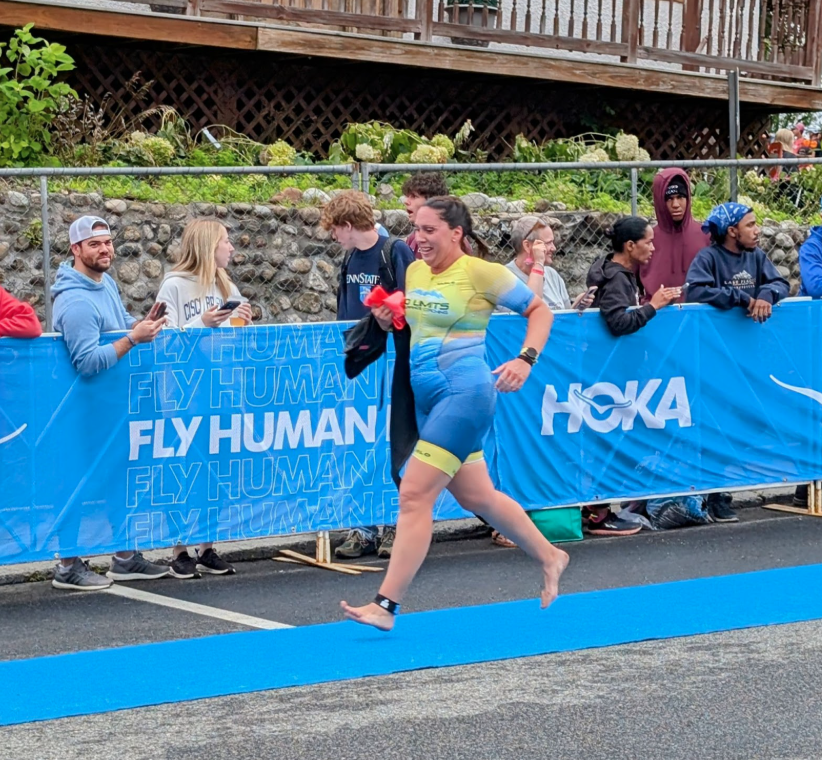
It’s that time of year when our training volumes are ramping up faster than a squirrel on an espresso binge. While we’re all excited to push our limits, let’s take a hot second to chat about keeping our bodies in one piece and bouncing back like a rubber band.
After all, we can’t crush your goals from the sidelines! In this article, we review some tips to reduce injury risk while maximizing recovery. For some of you, this may not be brand new information, but these should prove to be important reminders to keep our focus on all the 1% details that add up to 100% of our success.
Injury Prevention: Because Band-Aids Don’t Fix PRs
Consistency is the most important part of training. And injuries interfere with this #1 goal of endurance training. So, the best way to improve your performance is to remain injury-free. Here are some basics for how to reduce your injury risk.
Warm-up like it’s hot
Spend at least 10-15 minutes warming up before each session. Dynamic stretches, light jogging, and activation exercises are your best friends. The purpose of a warm-up is to increase muscle temperature, heart rate, and blood flow, which can help to improve performance and reduce the risk of injury. So, you get a win-win by improving the outcomes for the session, while also working to keep the body healthy.
Mobility & Strength training is not optional
Mobility and strength are not suggestions your coach includes in the training plan. They are a vital component of your success as an athlete. Included in this bucket is also some sort of myofascial release, such as using a foam roller or getting a sports-specific massage.
Strength isn’t just about picking things up and putting them down. It includes any sort of resistance training that will help with muscular development and endurance. The type of strength training you do should be periodized in line with your endurance training. You can find a series of strength resources by clicking here.
Listen to your body
If something feels off, don’t ignore it. That niggle in your knee might be trying to tell you something important. It’s not being a wimp; it’s being smart. Pain is not just “weakness leaving the body”; sometimes, it’s your body saying, “Don’t be stupid.”
If you are a coached athlete, always report these niggles and tweaks to your coach, or include a comment in your training log. That tweak may turn out to be nothing, but if it turns into something, you’ll have a log to show exactly when it started, and you’ll be able to keep track of how it progressed.
In general, if something is bothering you for more than a week, and the discomfort is higher than a 3 on a scale of 10, it’s time to get it checked out to ensure that training will not create further issues.
And remember: a rest day in time can save 9!!
Gear check
Make sure your shoes and equipment are in good condition. Running in worn-out shoes is like driving a car with bald tires – an accident waiting to happen!
Additionally, injuries that present on the run might sometimes be tied to an improper bike fit. If you haven’t had a proper bike fit in a while, it’s likely time to get an update.
Gradual progression
Your training program is built on the idea of gradual adaptation. We introduce the body to a novel stimulus in the proper amount, allow for recovery, and then we have strength gains. When we increase volume or intensity too quickly, the body is not able to absorb the stimulus. If we do this on repeat, it gets injured.
A related corollary here is racing too much. If we race too much, too hard in a short time frame, we set ourselves up for injury. While we all experience FOMO and want to do all the things, it’s important to be patient and ensure you aren’t overloading the body in too short of a time frame.
Recovery: Because You’re Not a Machine (Even If You Train Like One)
Sleep like it’s your job
You’ve heard this one before but it bears repeating. Sleep is your #1 most important recovery tool. No sleep = no recovery. No recovery = no adaptation. No adaptation = no goal achievement.
Aim for 7-9 hours of quality sleep each night. Your body does most of its repair work while you’re catching Z’s. Think of it as your nightly pit stop.
Fuel right
Proper fueling during workouts and daily nutrition is another key to your success. Make sure you’re getting enough protein, complex carbs, and healthy fats each day. Fasted workouts are a big mistake, as they not only impede performance, but they blunt recovery. If you need help with your daily nutrition, consider our 10-week nutrition coaching program.
Hydration
Drink water throughout the day, not just during workouts. If your pee is darker than lemonade, you need to up your water game. Consider putting some light electrolytes in your daily water intake as well. Electrolytes are also key for post-training and racing hydration. More tips on hydration by clicking here.
Active recovery
On rest days, engage in light activities like walking, swimming, or yoga. It’s like giving your body a gentle massage.
The goal is to train hard AND smart. Pushing through pain doesn’t make you tough; it makes you injured. By incorporating these tips into your routine, you’ll be well on your way to crushing your goals while keeping your body happy.
If you don’t think you have the time to engage in these injury-prevention activities, then remember what Coach Lindsay has said: If you don’t have the time for injury prevention, then you need to make time to get injured. It’s worth the time you’ll spend each day to keep the body on the road.
Now go forth and conquer, you magnificent endurance machines! And if you see me hobbling around because I didn’t follow my own advice, feel free to remind me of this article. We’re all in this together.
Stay strong, stay healthy, and may the endurance gods be ever in your favor!
Don’t wait until you’re sidelined to get support. Train smarter from the start with personalized endurance coaching designed to keep you strong, resilient, and race-ready. Schedule a consult with us today.