
The Endurance Athlete’s Guide to Loving and Protecting Wilderness
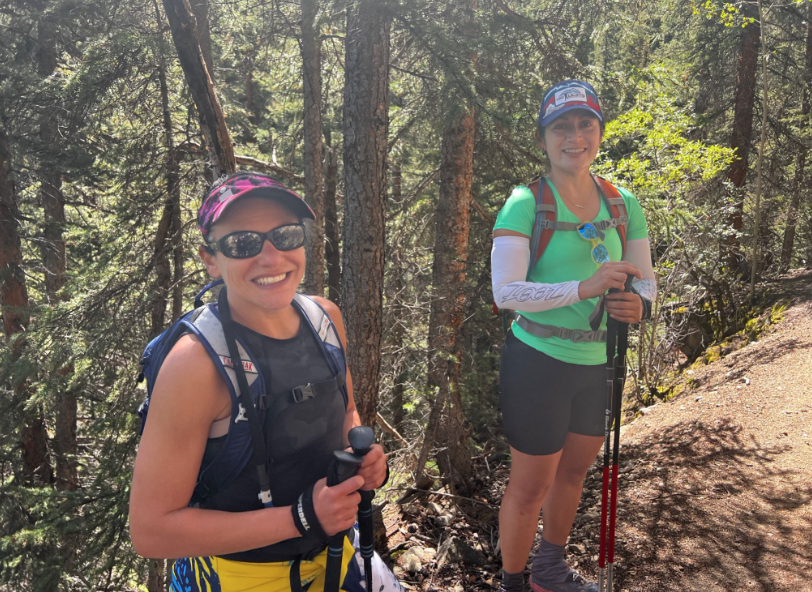
Anyone who’s ridden or run with me knows I can serve as both a training buddy and a nature guide, identifying birds, snakes, turtles, and whatever else we’re lucky enough to spot. On the morning of a triathlon, often set near large bodies of water ideal for eagle and osprey habitats, my eyes are usually scanning the sky, spotting these beauties and pointing them out to anyone who pretends to care, even if just to amuse me.
In my past life, I studied Ecology, focusing my master’s thesis on chickadee dominance and hybridization. I spent time working as a biologist at Hawk Mountain Sanctuary, where I conducted my research, and I’ll always be a “bird nerd” and passionate environmentalist (I was very close to pursuing a PhD studying snakes!).
So, wilderness and why it matters to us is an important topic close to my heart. September is National Wilderness Month, and provides a great opportunity to reflect on the importance of the wilderness, especially as it relates to our life as endurance athletes.
Respecting Wilderness
Wilderness offers us the raw, unfiltered terrain that challenges our endurance and sharpens our resolve. As endurance athletes, we spend countless hours moving through these landscapes, which makes us stewards of the trails, rivers, lakes and forests.
Embracing “Leave No Trace” principles ensures that we preserve the beauty and integrity of these environments for future athletes and outdoor enthusiasts to enjoy. This means packing out what we pack in, staying on designated trails to prevent erosion, and minimizing our impact on the natural habitats we love. It also means respecting wildlife and their habitats, giving them space when you encounter them as they are typically more afraid of us than we are of them.
Remember, every step we take in the wilderness is a privilege, and with that privilege comes the responsibility to protect it.
Why Wilderness Matters for Endurance Athletes
1. Fun and enjoyment
The wilderness isn’t just a backdrop; it’s an essential part of the endurance experience. Whether you’re trail running, mountain biking, skiing, or open water swimming, the wild offers a unique sense of freedom that paved roads or gyms simply can’t match. There’s a special kind of joy that comes from navigating a rugged trail, crossing streams, or scaling a steep incline with nothing but the sounds of nature around you.
The unpredictability of the wilderness adds an extra layer of excitement and adventure to our training, pushing our limits and rewarding us with breathtaking views and a profound sense of accomplishment.
2. New & Varied Ways to Move and Strengthen Our Bodies
Training in the wilderness demands a different kind of strength and agility. Unlike road running or controlled gym environments, the wilderness introduces varied terrain that requires quick adaptations—roots, rocks, sudden elevation changes, etc. Incorporating functional strength exercises, like single-leg balance work or plyometrics, can help prepare your body for these unpredictable conditions.
3. Our Races Rely on Healthy Wilderness
Many of our races rely on having clean water, clean air, moderate temperatures and healthy spaces, which are easy to take for granted until your race is canceled because of wildfires or extreme heat, or your swim is canceled because of water quality issues or hurricane conditions.
The importance of clean air and water has been on display at the past several Olympics: Athens, Beijing and Rio all experienced air pollution issues, while athletes in Paris swam in polluted waters of the Seine.
And often our races take place in or around public lands. These protected areas offer us the opportunity to race in some of the most stunning landscapes on earth, from dense forests to alpine meadows and coastal shores. However, this also means we have a duty to respect these spaces during our events.
Race organizers often work closely with environmental agencies to ensure that courses are sustainable and minimize ecological impact. As participants, we should be mindful of our surroundings, following all guidelines to ensure that these races can continue for years to come without harming the ecosystems that make them so special.
A Brief History of Public Lands
The concept of public lands in the US dates back to the late 19th century, with the establishment of Yellowstone as the first national park in 1872. This idea of setting aside land for preservation and public enjoyment has grown into a vast network of national parks, forests, and wilderness areas. Wilderness, as defined by the Wilderness Act of 1964, refers to areas “where the earth and its community of life are untrammeled by man, where man himself is a visitor who does not remain.”
These lands are protected from development and motorized vehicles, offering a refuge for wildlife and a place for us to experience nature in its purest form. Understanding the history and significance of these lands deepens our appreciation and commitment to preserving them as athletes and citizens.
In conclusion, as we celebrate National Wilderness Month, let’s take a moment to recognize the vital role that wilderness plays in our lives as endurance athletes. It challenges us, inspires us, and, most importantly, reminds us of the beauty and power of the natural world. Let’s continue to protect and cherish these wild places, ensuring they remain a source of adventure and solace for generations to come.
Want to learn how to do more to protect our wild places?
Protect Our Winters (POW) is an organization that encourages members of the outdoor sports community to “protect the places and lifestyles they love from climate change,” providing resources for voting, campaigns, and reading up on policy.
Runners for Public Lands is a nonprofit organization promoting environmental stewardship in running communities.
Black Girls Trekkin’ is a group with the goal to inspire and empower black women to spend time outdoors and appreciate (and protect) nature.
Diversify Outdoors is a coalition of influencers and activists who promote diversity in outdoor spaces where many identities have been underrepresented.
Train for the places you love. Whether you’re chasing a new endurance goal, exploring trails, or preparing for your next big adventure, No Limits Endurance Coaching can help you train with purpose—so you can go farther, stronger, and more confidently in the wild places you love.